New Sumitomo Final Drives for Excavators Arrive at HONGXIANG BN
Views: 0 Author: Site Editor Publish Time: 2026-09-12 Origin: Site
Excavator downtime is expensive, and nothing brings a job site to a standstill faster than a failing final drive. As the component responsible for converting hydraulic power into track movement, the final drive absorbs constant stress from load shifts, uneven terrain, and long operating hours. When it wears out, the entire machine goes idle until a replacement arrives.
That's why the latest final drive arrivals from HONGXIANG BN matter to fleet managers and independent operators alike. Since 2000, HONGXIANG BN has built a reputation as one of the leading aftermarket suppliers of excavator transmission components, covering more than 600 construction machinery models with over 12,000 parts in its catalog. The company's 18,000-square-meter facility and ISO 9001:2015 certification back every part that leaves the warehouse, giving buyers a level of consistency that's hard to find elsewhere in the aftermarket space.
This post walks through what's new in HONGXIANG BN's final drive lineup, why these additions matter for uptime, and how to choose the right replacement for your specific machine.
Why Final Drive Quality Directly Affects Excavator Uptime
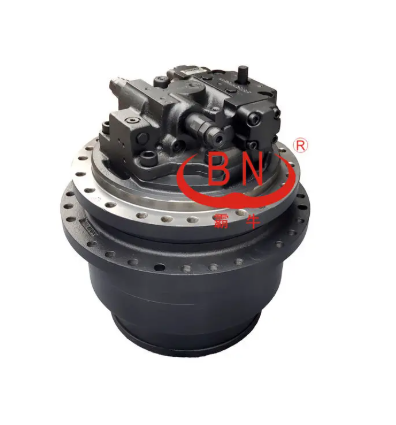
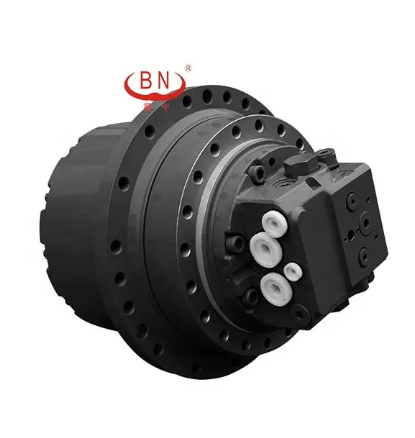
A final drive isn't just another spare part sitting on a shelf. It's a precision-engineered assembly that combines a hydraulic motor, a planetary gear reduction unit, and a brake mechanism into one sealed housing. Any weakness in manufacturing tolerance or material quality shows up quickly under load, often as oil leaks, gear noise, or reduced travel speed.
Genuine OEM final drives can take weeks to source and cost significantly more than aftermarket alternatives. This gap has pushed many equipment owners toward manufacturers like HONGXIANG BN, which engineers replacement parts to match or exceed original specifications while addressing known design flaws in older OEM units.
What's New in the Final Drive and Swing Motor Lineup
HONGXIANG BN has expanded its catalog to cover a wider range of excavator brands, with a particular focus on machines that are difficult to source parts for through traditional dealer networks.
Owners of Sumitomo excavators will find new options among the sumitomo final drive inventory, engineered to handle the torque demands of mid-size and heavy excavators without the extended lead times typical of OEM channels. These units go through the same quality checks applied across HONGXIANG BN's full product range, including pressure testing and dimensional verification before shipment.
Fleets running Daewoo equipment gain similar coverage. The newly stocked daewoo final drive assemblies are built to fit legacy and mid-generation Daewoo excavator models, an area where genuine parts have become increasingly scarce as older machines age out of active OEM support.
The expansion doesn't stop at final drives. For operators dealing with slewing issues rather than travel problems, the case swing motor options now available address a different but equally critical point of failure. A worn swing motor causes jerky rotation, slow cycle times, and increased fuel consumption, so pairing final drive replacements with swing motor inspections is a smart move during any major undercarriage service.
Comparing Final Drive Specifications Across Machine Types
Choosing between final drive options gets easier when the specifications are laid out side by side. The table below summarizes typical characteristics across common excavator weight classes, based on standard industry configurations.
Excavator Class | Typical Operating Weight | Final Drive Motor Type | Common Failure Point | Recommended Inspection Interval |
|---|---|---|---|---|
Mini Excavator (1–5 tons) | Up to 5,000 kg | Piston motor | Seal wear | Every 500 hours |
Compact Excavator (5–10 tons) | 5,000–10,000 kg | Piston motor with planetary gear | Bearing fatigue | Every 750 hours |
Mid-Size Excavator (10–20 tons) | 10,000–20,000 kg | Two-speed piston motor | Gear tooth wear | Every 1,000 hours |
Heavy Excavator (20+ tons) | 20,000 kg and above | Two-speed piston motor with reinforced housing | Housing cracks | Every 1,250 hours |
These intervals are general guidelines. Actual service life depends heavily on operating conditions, load cycles, and how consistently maintenance schedules are followed.
How to Choose the Right Final Drive for Your Excavator
Matching a final drive to your machine takes more than checking the make and model. A few factors make the difference between a replacement that lasts and one that fails prematurely.
Confirm the exact part number. Excavator manufacturers frequently update components across production years without changing the model name. Cross-referencing the OEM part number against the aftermarket equivalent prevents costly mismatches.
Check the hydraulic flow rating. A final drive rated for the wrong flow rate will either underperform or wear out faster than expected. This is especially important when sourcing parts for older machines where hydraulic system specifications may have changed across model years.
Ask about warranty coverage. Reputable suppliers stand behind their components. A supplier with decades of manufacturing experience, established quality certifications, and a track record across hundreds of machine models is generally a safer bet than an unverified seller offering the lowest price.
Consider the supplier's product range. Sourcing final drives, swing motors, and travel gearboxes from the same supplier simplifies future maintenance and reduces the risk of compatibility issues between components from different manufacturers.
Keep Your Excavator Moving with the Latest Final Drive Options
Final drive failures rarely happen at a convenient time, which makes having a reliable, well-stocked parts source a genuine competitive advantage for any fleet operator. With 26 years of manufacturing experience, a 12,000-part catalog spanning 600-plus machinery models, and ISO 9001:2015-certified production, HONGXIANG BN has positioned its latest final drive and swing motor arrivals to reduce the sourcing headaches that come with aging or hard-to-find excavator models.
Before your next scheduled maintenance window, it's worth reviewing your undercarriage components against the specifications above and confirming that your current final drive and swing motor are still performing within normal parameters. Catching wear early almost always costs less than an emergency replacement.
Frequently Asked Questions
How long does a typical excavator final drive last before needing replacement?
Service life varies by machine class and operating conditions, but most final drives last between 500 and 1,250 operating hours before showing signs of wear, based on the inspection intervals outlined above.
Can aftermarket final drives fit older or discontinued excavator models?
Yes. Aftermarket manufacturers with broad catalogs often maintain parts coverage for models that OEM dealers have stopped supporting, which is particularly useful for fleets running legacy Daewoo or Sumitomo equipment.
What's the difference between a final drive and a swing motor?
A final drive controls the excavator's track movement, while a swing motor controls the rotation of the upper structure. Both are hydraulic components prone to wear, but they fail independently and serve different functions on the machine.