What Is The Function of A Final Drive in An Excavator?
Views: 0 Author: Site Editor Publish Time: 2026-03-09 Origin: Site


Have you ever wondered what powers the movement of a massive excavator? While the engine provides the initial power, a critical system is responsible for transferring that power to the tracks. This system is known as the excavator final drive. Understanding the function of the final drive for an excavator is essential for any owner, operator, or technician. It is the heart of the machine's mobility, enabling it to traverse rugged job sites with precision and force. Without a properly functioning excavator final drive, the entire machine becomes stationary and useless. This article will explore everything you need to know about this vital component. We will discuss its importance, how it operates, and the various excavator final drive parts that work together to make movement possible.
What is the Primary Role of an Excavator Final Drive?
The primary role of an excavator final drive is to convert hydraulic pressure from the machine's main pump into mechanical rotation. This rotation turns the tracks, propelling the excavator forward or backward. Essentially, the final drive for an excavator acts as a sophisticated gearbox. It takes high-speed, low-torque input from the hydraulic motor and transforms it into low-speed, high-torque output. This torque is necessary to overcome the immense weight of the excavator and the resistance of the ground it moves on. A well-maintained excavator final drive ensures smooth and powerful operation, which is crucial for productivity on any construction or excavation project.
Why is a Final Drive for an Excavator So Important?
The importance of the final drive for an excavator cannot be overstated. It is a fundamental component of the machine's undercarriage and mobility system. A failure in the excavator final drive means the machine cannot move, leading to significant downtime and costly repairs. The high torque produced by the final drive allows the excavator to climb steep grades, navigate through mud, and push heavy loads. Without this component, the excavator would simply be a stationary digging arm. Therefore, regular inspection and maintenance of the excavator final drive are critical for ensuring the longevity and reliability of the equipment. Investing in a high-quality excavator final drive is investing in the overall performance of your machine.


How Does an Excavator Final Drive Work?
To understand how an excavator final drive works, it is helpful to think of it in two main stages: the hydraulic motor and the planetary gear system.
First, pressurized hydraulic fluid is sent from the excavator’s main hydraulic system to the travel motor within the final drive housing. This fluid powers the hydraulic motor, causing it to spin at a high speed. This motor is designed for efficiency and speed but does not produce enough torque on its own to move the machine.
This is where the second stage comes in. The output shaft of the hydraulic motor is connected to a planetary gear reduction system. This system consists of a series of gears that reduce the rotational speed while multiplying the torque. The final output from this gear system is a slow but extremely powerful rotation that drives the track sprocket. The sprocket engages with the excavator's tracks, causing the machine to move. The entire process allows for precise control over the machine's speed and direction, all managed by the operator in the cab. The robust design of the excavator final drive is what allows it to handle the immense forces involved.
What are the Main Excavator Final Drive Parts?
An excavator final drive is a complex assembly of many interconnected parts. Each component plays a specific role in the overall function. Understanding these excavator final drive parts is key to proper maintenance and troubleshooting. When one part fails, it can cause a chain reaction, damaging other components within the final drive for an excavator.
The main assembly contains dozens of individual excavator final drive parts, but some are more critical than others. A failure in any of these can bring a project to a standstill. Below is a table that details the primary excavator final drive parts and their functions.
Component Name | Function |
|---|---|
Hydraulic Motor | Converts hydraulic fluid pressure into high-speed rotation. |
Planetary Gear Set | A series of gears (sun, planet, ring) that reduce speed and multiply torque. |
Gear Hub | Houses the planetary gears and transfers the final rotational force. |
Main Bearings | Support the rotating shafts and handle massive radial and axial loads. |
Duo-Cone Seals | Prevent gear oil from leaking out and contaminants like dirt and water from getting in. |
Floating Face Seals | Another critical sealing component that protects the internal excavator final drive parts. |
Casing/Housing | Protects all internal components from the external environment. |
Sprocket | Attaches to the final drive hub and engages with the track chain to move the excavator. |
Maintaining these excavator final drive parts is essential for the health of your equipment. A leak in a seal, for example, can lead to oil loss and contamination, causing catastrophic failure of the gears and bearings inside the final drive for an excavator. Regular checks and timely replacement of worn excavator final drive parts are non-negotiable for reliable operation.
What are Common Signs of a Failing Final Drive for an Excavator?
Knowing how to spot the early warning signs of a failing final drive for an excavator can save you from more extensive damage and downtime. If you notice any of the following symptoms, it is time to have your excavator final drive inspected by a professional.
Are There Leaks Around the Final Drive?
One of the most obvious signs of a problem is leaking fluid. You may see gear oil leaking from the housing or hydraulic fluid leaking from the motor connections. Leaks indicate that a seal has failed. This not only results in the loss of essential lubrication but also allows dirt, water, and debris to enter the system, which can quickly destroy the internal excavator final drive parts.
Is the Excavator Weaker Than Usual?
If your excavator seems to struggle to turn or travel, especially on an incline, it could be a sign that the excavator final drive is losing power. This can be caused by worn-out gears within the planetary system or a failing hydraulic motor. A weak final drive for an excavator will significantly reduce the machine’s productivity.
Are There Loud Noises Coming from the Drive?
Any unusual grinding, whining, or clicking noises coming from the area of the excavator final drive should be investigated immediately. These sounds often indicate that gears are damaged or that bearings are failing. Continuing to operate the machine with these noises can lead to complete failure of the excavator final drive.
Does the Excavator Veer to One Side?
If your excavator consistently pulls to one side when you are trying to travel in a straight line, it may indicate a problem with one of the final drives. This happens when one final drive for an excavator is weaker than the other, causing an imbalance in power to the tracks.
How Can You Maintain an Excavator Final Drive?
Proper maintenance is the best way to extend the life of your final drive for an excavator and avoid costly failures. The most important maintenance task is regularly checking and changing the gear oil. The oil lubricates the gears and bearings, reduces friction, and helps to dissipate heat. Consult your owner's manual for the recommended service intervals, but it is a good practice to check the oil level frequently.
Keeping the final drive housing clean is also important. A buildup of mud, dirt, and debris can cause the unit to overheat and can hide potential leaks. During your daily walk-around inspection, pay close attention to the condition of your excavator final drive and look for any signs of trouble. Proactive care of your excavator final drive is much less expensive than reactive repairs.
Where Can You Find Quality Excavator Final Drive Parts?
When it comes time to repair or replace your excavator final drive, using high-quality components is paramount. For reliable and durable excavator final drive parts, we highly recommend considering bn gears. They specialize in manufacturing precision components that meet or exceed OEM standards, ensuring your equipment operates at peak performance. Choosing a reputable supplier for your final drive for an excavator ensures you get parts that fit correctly and stand up to the rigors of heavy-duty work.
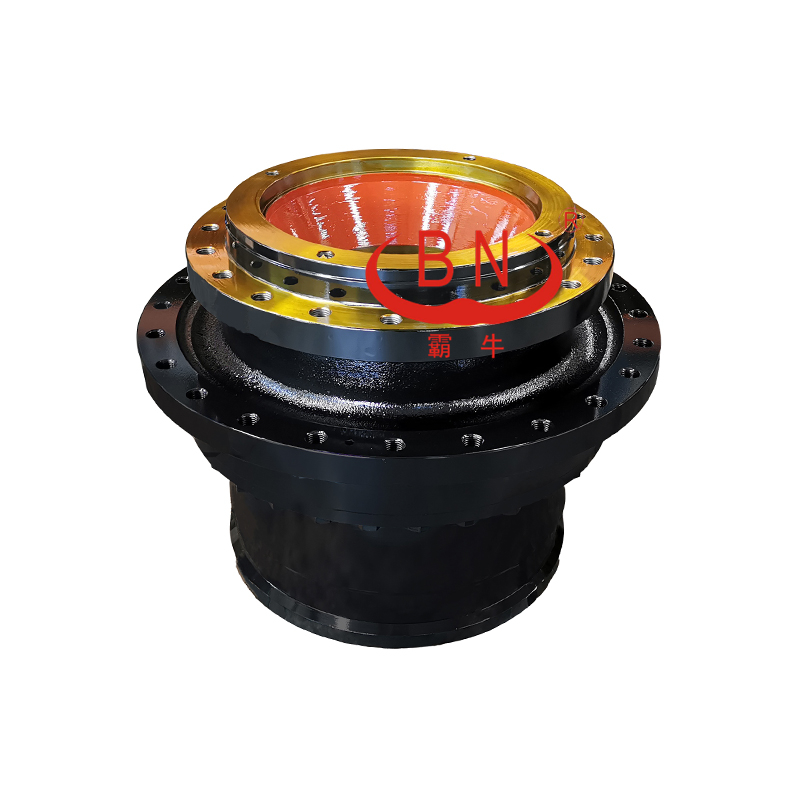

Compatible with a Wide Range of Brands
Our excavator final drive parts are engineered to fit a variety of models from leading manufacturers. This ensures broad compatibility and allows you to find the right components for your specific equipment. Some of the major brands we support include:
KOBELCO
KOMATSU
HYUNDAI
DOOSAN
JCB
Frequently Asked Questions (FAQ)
What is the difference between a final drive and a travel motor?
The term "excavator final drive" typically refers to the entire assembly, which includes both the hydraulic travel motor and the planetary gear reduction unit. The travel motor creates the initial rotation, and the gear unit converts it into high-torque power.
How often should I change the gear oil in my final drive for an excavator?
The interval for changing the gear oil varies by machine manufacturer and model. It is always best to consult your operator's manual. However, a general rule of thumb is to change it every 500 operating hours or at least once a year.
Can an excavator final drive be repaired?
Yes, in many cases, an excavator final drive can be repaired. Repair often involves replacing worn or damaged excavator final drive parts, such as seals, bearings, or gears. However, if the damage is extensive, replacing the entire unit may be more cost-effective.
Why is my excavator final drive overheating?
Overheating can be caused by several issues, including low gear oil level, contaminated oil, or continuous operation under extremely heavy loads. It can also indicate internal friction from failing bearings or gears within the final drive for an excavator.
Contact Information
Email: info@hx-machinery.cn / vivian@hx-machinery.cn
Phone: +86-750-6318209
excavator final drive
final drive for excavator
excavator final drive parts