GM09 Final Drive for Excavators: Functions & Fitment Guide
Views: 0 Author: Site Editor Publish Time: 2026-09-27 Origin: Site
If your 7–9 ton excavator has started crawling slower than usual, pulling to one side, or leaking oil near the track frame, the final drive is probably the culprit. This compact but hardworking component converts hydraulic pressure into the mechanical force that spins your tracks, and when it wears out, your whole machine's productivity suffers.
This guide breaks down what a final drive actually does, why the GM09 model has become a popular choice for mid-size excavators, and how to know when it's time for a replacement. Whether you manage a rental fleet or run your own crew, understanding these basics can save you from costly downtime later.
Functions of a Final Drive: What This Component Actually Does
At its core, the functions of a final drive begin with its role as the gearbox-and-motor assembly that sits at each end of an excavator's track frame. It takes hydraulic flow from the main pump, converts it into rotational torque through a planetary gear reduction, and transfers that force to the sprocket, which drives the track chain.
Without this component, none of the hydraulic power generated by the engine would ever reach the ground. In practical terms, this assembly handles a few critical jobs:
Torque multiplication: Reduces motor speed while dramatically increasing output torque, giving the machine enough force to move despite heavy loads.
Speed control: Allows operators to switch between high-speed travel and high-torque climbing modes on many models.
Load-bearing support: Carries the weight of the machine while resisting shock loads from uneven terrain.
Sealing and lubrication: Keeps gear oil contained and contaminants out, which directly affects component lifespan.
When any of these functions degrade — often due to seal failure or bearing wear — you'll notice symptoms like oil leaks, metal shavings in the gear oil, unusual noise, or reduced travel speed. Left unaddressed, a failing unit can damage the sprocket, track rollers, and even the undercarriage frame.
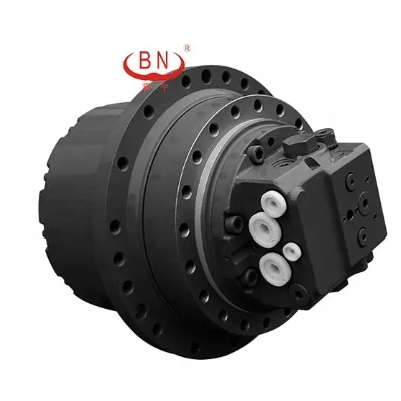
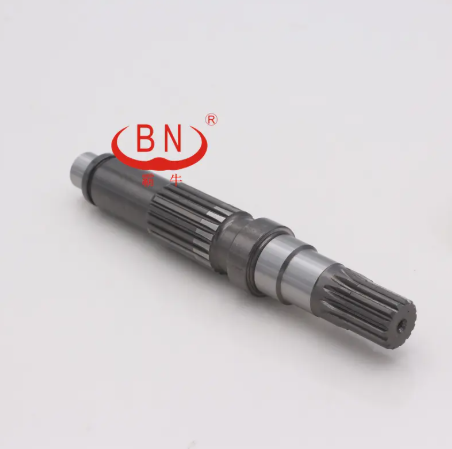
Why the GM09 Is a Common Choice for 7–9 Ton Excavators
Among the many final drive travel motor assemblies on the market, the GM09 final drive has earned a reputation for balancing torque output with compact sizing, making it well suited to compact and mid-size excavator platforms. It pairs a TM09-series hydraulic travel motor with a planetary reduction gearbox, delivering strong pulling power without adding unnecessary weight to the undercarriage.
Here's a look at the typical specifications for this assembly:
Specification | Value |
|---|---|
Model | TM09 |
Input Flow | 80 L/min |
Motor Displacement | 34/53 ml/r |
Gear Ratio | 34/53 |
Output Torque | 11,500 N·m |
Output Speed | 51/33 r/min |
Frame Holes | 12/14 |
Sprocket Holes | 12/14 |
Recommended Application | 7–9 ton excavators |
The dual displacement figures (34/53 ml/r) indicate that this unit supports a two-speed function, letting operators switch between faster travel on flat ground and higher torque when climbing or working on soft soil. With an output torque rating of 11,500 N·m, it's built to handle the demands of daily digging, grading, and site-clearing work without straining the undercarriage.
Fitment Considerations Before You Buy
Not every final drive labeled "GM09" will bolt straight onto your machine. Fitment depends on more than just the model name — it's about matching mounting patterns, hydraulic connections, and sprocket compatibility to your specific excavator.
Before purchasing a replacement, check the following:
Frame and sprocket hole count: This unit uses a 12/14 hole pattern, so confirm your existing mount matches before ordering.
Hydraulic input flow: An 80 L/min rated flow should align with your machine's main pump output to avoid underperformance or premature wear.
Machine weight class: This assembly is designed for 7–9 ton excavators. Installing it on a heavier machine can lead to overheating and accelerated failure.
OEM cross-reference: If you're replacing a Nabtesco or similar OEM unit, verify the part number cross-references correctly to your excavator's make and model.
Getting fitment wrong doesn't just cause installation headaches — it can shorten the lifespan of the new component significantly. When shopping for final drives excavators depend on, always compare technical specs side by side rather than relying on model names alone.
Signs Your Final Drive Needs Replacing
A final drive rarely fails without warning. Watch for these common indicators:
Oil leaking around the motor housing or gearbox seals
Grinding, whining, or knocking noises during travel
Uneven tracking, where the machine pulls left or right
Noticeably slower travel speed under normal load
Metallic debris found in drained gear oil during routine checks
Catching these signs early can prevent secondary damage to the sprocket, rollers, and track chain, which are far more expensive to replace as a group than a single final drive assembly.
Sourcing Quality Replacement Parts
Since 2000, HONGXIANG Machinery Co., Ltd. (operating as HONGXIANG BN) has manufactured aftermarket final drives, travel motors, and swing gearboxes for construction machinery brands including Caterpillar, Komatsu, Hitachi, and Kobelco. Operating from an 18,000 m² factory equipped with more than 80 units of production machinery, the company's engineering team develops components for over 600 excavator models, backed by ISO 9001:2015 certification.
Because final drives take on constant mechanical stress, sourcing from a manufacturer with consistent quality control matters as much as getting the specifications right. A poorly machined gear or an undersized seal can turn a routine replacement into a repeat repair within months.
Keep Your Undercarriage Running Smoothly
A final drive might be a small part of your excavator's overall footprint, but it plays an outsized role in daily productivity. Understanding how this component works, matching it correctly to your machine's specifications, and watching for early failure signs can help you avoid unplanned downtime and costly secondary damage.
If you're evaluating a replacement, start by pulling your machine's current specifications and comparing them against the assembly you're considering. A little diligence upfront saves considerable time and money down the line.
Frequently Asked Questions
How long does a GM09 final drive typically last?
Service life varies based on operating conditions, maintenance schedule, and load, but most well-maintained final drives last several thousand operating hours before requiring an overhaul.
Can I install a GM09 final drive myself?
Basic mechanical experience and the right lifting equipment are usually enough for installation, but always follow the torque specifications and hydraulic connection procedures specific to your excavator model.
What causes premature final drive failure?
Common causes include contaminated hydraulic fluid, incorrect fitment, operating beyond the rated weight class, and delayed seal replacement after early leak signs appear.
Is the GM09 compatible with multiple excavator brands?
This assembly is designed for 7–9 ton excavators broadly, but always cross-reference your machine's OEM part number and hole pattern before purchasing to confirm compatibility.